
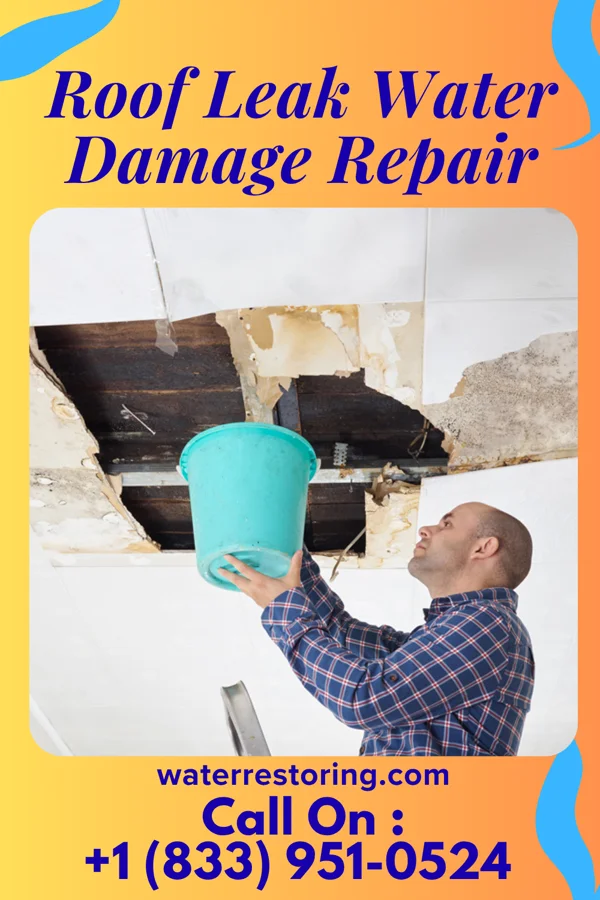
Why Roof Leaks Hit Polk Hard
The pattern in Polk is consistent. Polk, Nebraska experiences frequent thunderstorms and heavy rainfall, especially during the spring and early summer months. These weather patterns can lead to sudden roof leaks and water damage, particularly in older homes with less robust roofing systems. The region's flat terrain and open skies allow for rapid water accumulation, increasing the risk of interior damage. drives most of the emergency restoration calls we get. A close second is In the fall, Polk can see strong winds and occasional hail, which can damage shingles and create new entry points for water. Winter snowmelt can also contribute to roof leaks, especially if gutters are clogged or improperly installed. These seasonal weather events require timely repairs to prevent long-term structural issues..
The climate in Polk, Nebraska, combined with the region's rural setting, means that roof leaks can quickly lead to mold growth and structural weakening. Homes in Polk are often spaced apart, making it critical to address leaks before they cause extensive damage.
The climate in Polk, Nebraska, combined with the region's rural setting, means that roof leaks can quickly lead to mold growth and structural weakening. Homes in Polk are often spaced apart, making it critical to address leaks before they cause extensive damage. The dominant local driver is Polk, Nebraska experiences frequent thunderstorms and heavy rainfall, especially during the spring and early summer months. These weather patterns can lead to sudden roof leaks and water damage, particularly in older homes with less robust roofing systems. The region's flat terrain and open skies allow for rapid water accumulation, increasing the risk of interior damage., with In the fall, Polk can see strong winds and occasional hail, which can damage shingles and create new entry points for water. Winter snowmelt can also contribute to roof leaks, especially if gutters are clogged or improperly installed. These seasonal weather events require timely repairs to prevent long-term structural issues. showing up as the next most common cause. Damage builds in stages. Spread. Absorption. Microbial growth. Structural compromise. Every stage you pass through adds to the final bill.